How Professional Base Installation Prevents Future Pavement Problems?
Pavement performance depends on far more than the visible surface that vehicles and pedestrians use every day. Whether the project involves a residential driveway, commercial parking lot, private road, or municipal roadway, the long-term durability of the pavement begins with what lies underneath. When the base is properly designed and installed, it creates a stable platform that helps the pavement withstand traffic loads, weather conditions, and natural ground movement. Without a strong foundation, even high-quality asphalt or concrete surfaces can experience premature deterioration, leading to costly repairs and reduced service life.
Professional base installation plays a critical role in preventing common pavement failures such as cracking, rutting, potholes, drainage issues, and surface deformation. While many property owners focus on the appearance of the finished pavement, experienced paving professionals understand that the quality of the base determines how well the surface performs over time. Investing in
professional base installation not only protects the pavement itself but also helps property owners avoid unexpected maintenance expenses. Understanding how a properly installed base supports pavement performance highlights why this step remains one of the most important aspects of any paving project.
Understanding the Role of the Pavement Base
Why the Base Layer Matters
The pavement base acts as the structural backbone of any paved surface. Its primary function is to distribute loads from vehicles and foot traffic evenly across the underlying soil. Without adequate support, concentrated pressure can weaken the pavement surface and accelerate deterioration.
A professionally installed base creates stability by reducing stress on the pavement layer above. It helps maintain the shape and integrity of the pavement while minimizing movement caused by traffic loads, temperature fluctuations, and moisture changes.
The base layer also contributes to overall pavement longevity. Even premium paving materials cannot compensate for a poorly constructed foundation. Proper support below the surface is essential for achieving the expected lifespan of any pavement system.
Key Components of a Strong Base
Several elements contribute to a successful pavement base installation:
- Proper site excavation
- Suitable aggregate selection
- Accurate grading
- Moisture management
- Thorough compaction
- Soil stabilization when necessary
Each component works together to create a foundation capable of supporting years of use while minimizing future structural concerns.
How Proper Site Preparation Prevents Structural Failures
Evaluating Existing Soil Conditions
Every paving project begins with understanding the condition of the existing soil. Soil characteristics vary significantly between locations and can directly impact pavement performance. Some soils provide excellent support, while others expand, contract, or retain excessive moisture.
Professional contractors evaluate soil conditions before construction begins. Testing helps identify potential weaknesses that could compromise the pavement structure if left unaddressed.
For example, clay-heavy soils often expand when wet and shrink during dry periods. Without proper preparation, this movement can create stress that leads to cracking and uneven pavement surfaces.
Excavation and Subgrade Preparation
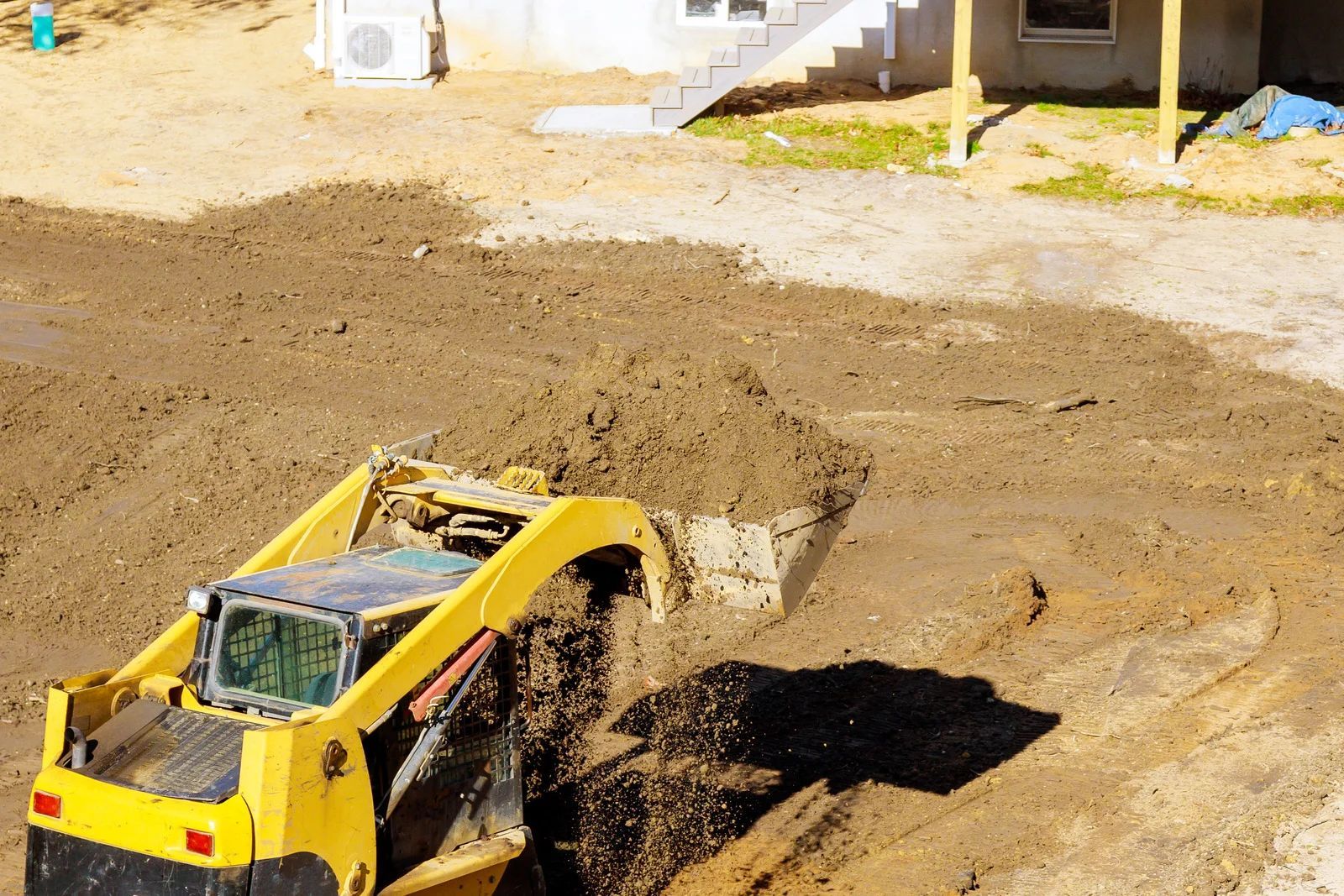
Proper excavation removes unsuitable materials that could weaken the pavement foundation. Organic matter, debris, loose soil, and unstable materials must be eliminated before construction progresses.
Once excavation is complete, the subgrade is shaped and compacted to create a stable working platform. This process helps prevent future settlement that may otherwise cause pavement depressions and uneven surfaces.
A common real-world example occurs in commercial parking lots where insufficient excavation leaves weak soil beneath the pavement. Over time, vehicle traffic causes the surface to sink, resulting in pooling water and structural damage. Proper site preparation helps eliminate these risks before paving begins.
The Importance of Material Selection and Compaction
Choosing the Right Base Materials
Not all aggregate materials perform the same way. Professional paving contractors select base materials based on project requirements, soil conditions, expected traffic loads, and environmental factors.
High-quality crushed stone and aggregate materials provide strength, stability, and drainage capabilities. Properly graded aggregates interlock during compaction, creating a dense and durable foundation.
Using inferior materials may initially reduce construction costs, but it often results in expensive repairs later. Poor-quality aggregates can shift, settle, and break down under repeated traffic loads.
Why Compaction Is Critical
Compaction is one of the most important steps in base installation. Even excellent materials can fail if they are not compacted properly.
Compaction removes air pockets within the aggregate and increases density. A dense base is less likely to shift, settle, or develop weak spots after construction.
Professional contractors use specialized equipment and testing procedures to verify compaction levels throughout the project. This attention to detail helps ensure uniform support across the entire pavement structure.
Preventing Settlement and Rutting
Insufficient compaction is a leading cause of pavement settlement and rutting. These problems occur when the base compresses under traffic loads after construction.
Imagine a delivery truck repeatedly traveling across a commercial parking lot. If the base beneath the pavement contains loose areas, the weight of the vehicle gradually creates depressions. Over time, these depressions become visible ruts that collect water and accelerate pavement deterioration.
Proper compaction helps prevent these issues by creating a stable and uniform foundation from the start.
Drainage Management and Moisture Control
Water: The Biggest Threat to Pavement Foundations
Water is one of the most destructive forces affecting pavement systems. Even a well-designed pavement surface can fail when water infiltrates the base layer.
Excess moisture weakens supporting soils, reduces load-bearing capacity, and contributes to erosion beneath the pavement. As water accumulates, structural problems become increasingly likely.
Professional base installation includes comprehensive drainage planning to minimize these risks.
Designing Effective Drainage Systems
Proper drainage begins during the design phase. Contractors establish grades and slopes that direct water away from the pavement structure.
Additional drainage solutions may include:
- Drainage channels
- Catch basins
- Edge drains
- Subsurface drainage systems
- Permeable aggregate layers
Each solution helps control water movement and protect the integrity of the pavement foundation.
Avoiding Freeze-Thaw Damage
In regions that experience seasonal temperature changes, freeze-thaw cycles create significant challenges. Water trapped within the pavement structure expands when frozen and contracts when thawed.
This repeated movement places stress on both the base and surface layers. Cracks, potholes, and heaving often develop as a result.
A professionally installed base incorporates drainage features that reduce moisture accumulation and minimize freeze-thaw damage. This proactive approach helps preserve pavement performance throughout changing weather conditions.
Long-Term Cost Savings Through Professional Base Installation
Reducing Maintenance Requirements
One of the greatest advantages of professional base installation is the reduction in future maintenance needs. Pavements built on strong foundations typically experience fewer structural issues throughout their lifespan.
Crack repairs, pothole patching, surface leveling, and drainage corrections can become costly when underlying foundation problems exist. Addressing these concerns repeatedly often costs far more than investing in proper construction initially.
A stable base supports the pavement and helps maintain a smoother, safer surface for users.
Extending Pavement Lifespan
Pavement replacement represents a major financial investment for property owners. Extending pavement life by several years can generate substantial savings over time.
When loads are distributed properly and moisture is controlled, pavement materials experience less stress. Reduced stress translates into slower deterioration and longer service life.
Many pavement failures commonly attributed to aging actually stem from foundation deficiencies that developed during construction. Professional base installation helps eliminate these weaknesses before they become expensive problems.
Protecting Property Value
Well-maintained pavement contributes to the appearance, safety, and functionality of a property. Cracked surfaces, potholes, and drainage problems create negative impressions and may reduce property value.
Investing in a professionally constructed base helps preserve pavement appearance and performance. Property owners benefit from fewer repairs, improved safety, and stronger long-term value.
Best Practices That Ensure Long-Term Pavement Success
Following Industry Standards
Professional paving contractors follow established engineering principles and industry standards when constructing pavement bases. These standards help ensure consistent quality and reliable performance.
Proper thickness requirements, compaction specifications, material standards, and drainage practices all contribute to a successful project.
Using Modern Equipment and Testing Methods
Advancements in paving technology have improved base installation accuracy and quality control. Modern equipment allows contractors to achieve precise grading, uniform compaction, and accurate material placement.
Testing procedures verify that construction meets project specifications before paving begins. This quality assurance process reduces uncertainty and increases confidence in long-term pavement performance.
Investing in Prevention Rather Than Repairs
The most cost-effective pavement strategy focuses on prevention rather than correction. Addressing potential issues during construction is significantly less expensive than repairing structural failures after the pavement is complete.
Professional base installation represents an investment in long-term performance, reliability, and cost control. By prioritizing foundation quality, property owners can avoid many of the problems that commonly affect paved surfaces.
Trusted Paving Expertise Built On Strong Foundations
At Able Asphalt Paving Inc., we understand that successful pavement projects begin long before the surface layer is installed. With 15 years of industry experience serving Jacksonville, North Carolina, we have built our reputation on delivering paving solutions supported by proper preparation, quality materials, and proven construction practices. Our approach focuses on creating durable foundations that help property owners avoid costly pavement issues and maximize the lifespan of their investment. We recognize that every property presents unique challenges, from soil conditions and drainage concerns to traffic demands and environmental factors. That is why we evaluate each project carefully and apply industry-approved methods that support long-term pavement performance.
Whether the project involves residential paving, commercial parking areas, private roads, or other pavement applications, our commitment to quality workmanship remains the same. We take pride in providing reliable guidance, professional service, and durable paving solutions that property owners can trust. When long-term pavement performance matters, our experience and dedication help ensure the foundation beneath the surface is built for lasting success.