What to Expect During a Road Building Project: From Planning to Paving?
Building a road is far more than laying asphalt on a cleared path. It is a complex, multifaceted process that requires careful planning, precise engineering, and meticulous execution. Roads serve as critical arteries for communities, facilitating transportation, commerce, and access to essential services. A well-designed and properly constructed road not only improves mobility but also ensures safety, reduces long-term maintenance costs, and enhances the overall quality of life for the public. Furthermore, road construction projects significantly impact regional development, influencing property values, economic activity, and emergency service accessibility, underscoring the importance of investing in high-quality infrastructure. Understanding the stages of a road-building project can help stakeholders, including municipalities, developers, and residents, appreciate the work involved and the rationale behind project timelines and costs.
From the initial planning stage to the final paving, every step in road construction is interconnected. Each phase demands careful consideration of environmental factors, material quality, engineering standards, and safety protocols. For anyone anticipating a road construction project, having a clear idea of what to expect can reduce uncertainty and facilitate smoother collaboration among contractors, engineers, and local authorities. Proper communication, realistic scheduling, and attention to logistical challenges also ensure projects stay on budget and meet regulatory requirements. This guide provides a comprehensive walkthrough of a typical road building project, highlighting key processes, challenges, and best practices to ensure a successful outcome while promoting long-lasting, safe, and efficient roadways for all users.
1. Planning and Design Phase
Conducting Feasibility Studies
The first step in any road building project is assessing its feasibility. Engineers and planners evaluate factors such as traffic demand, population growth, environmental impact, and land availability. A feasibility study identifies potential obstacles, including protected ecosystems, private property disputes, or challenging topography, and determines whether the project is viable both technically and financially.
Route Selection and Alignment
Once feasibility is established, the team selects the most suitable route for the road. This involves balancing construction costs, environmental concerns, and community impact. Modern tools like Geographic Information Systems (GIS) help planners model different routes, visualize terrain challenges, and minimize disruption to existing structures and natural landscapes.
Environmental Assessments
Road projects must comply with environmental regulations. Environmental assessments evaluate how construction could affect soil, water bodies, wildlife habitats, and air quality. In some cases, mitigation measures such as drainage improvements, wildlife crossings, or reforestation plans are implemented to minimize the project’s ecological footprint.
Designing Road Specifications
Civil engineers develop detailed road designs, including lane widths, gradients, pavement types, and drainage systems. These designs ensure the road can handle expected traffic volumes safely and withstand long-term wear. Accurate designs also streamline later stages, reducing unexpected delays and budget overruns.
2. Site Preparation and Earthwork
Land Clearing and Excavation
Before construction can begin, the designated land must be cleared of vegetation, debris, and existing structures. Excavation follows, involving the removal or relocation of soil to create a stable foundation. Heavy machinery like bulldozers, excavators, and graders are commonly used for these tasks.
Soil Testing and Stabilization
Not all soil types are suitable for road construction. Geotechnical engineers test soil composition, strength, and drainage capacity to determine its suitability. Weak or expansive soils are stabilized using methods like lime or cement treatment to prevent future settlement, cracking, or potholes.
Grading and Subgrade Preparation
Proper grading ensures the road has an even, well-drained surface. The subgrade—the foundational layer beneath the pavement—must be compacted to provide strength and prevent deformation. Engineers carefully control slope gradients to manage stormwater runoff and reduce erosion risks.
Utility Relocation
Road projects often require relocating utilities such as water pipes, gas lines, electrical cables, and communication networks. Coordinating with utility companies early in the project prevents delays during construction and ensures the safety of both workers and the public.
3. Drainage and Base Layer Installation
Installing Drainage Systems
Effective drainage is critical for road longevity. Poor water management can lead to potholes, cracking, and structural failure. Drainage solutions include culverts, ditches, storm drains, and subsurface drainage layers. Engineers design these systems to handle heavy rainfall and prevent water accumulation under the pavement.
Base Layer Construction
After preparing the subgrade and drainage, the next step is constructing the road base. The base layer distributes traffic loads and provides stability for the pavement. It typically consists of crushed stone, gravel, or recycled materials compacted to high density. The thickness and material selection depend on expected traffic volume, soil conditions, and climate considerations.
Quality Control Measures
During base construction, quality control is crucial. Engineers conduct field tests to verify compaction, moisture content, and material gradation. These tests ensure the road foundation meets structural standards and will support the pavement over time. Skipping this step can lead to premature road failure and costly repairs.
4. Paving and Surfacing
Asphalt vs. Concrete Options
The choice of paving material depends on project goals, budget, and expected traffic. Asphalt is flexible, cost-effective, and quicker to install, making it ideal for urban and high-traffic roads. Concrete, while more expensive, offers greater durability and requires less maintenance, making it suitable for highways and heavy-load areas.
Laying the Binder and Surface Layers
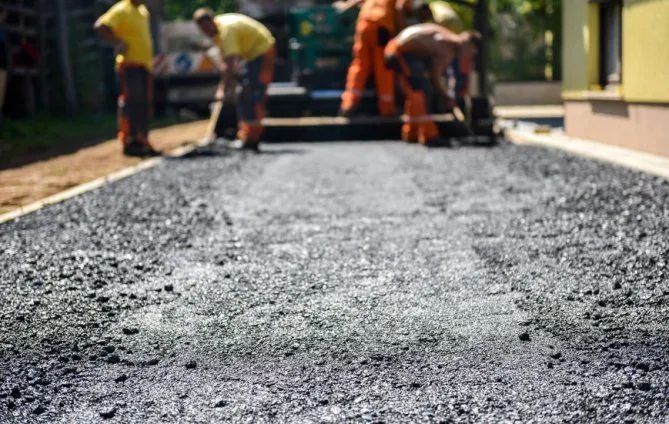
For asphalt roads, construction typically involves multiple layers: a binder layer for structural strength and a surface layer for smooth driving. Each layer is heated, transported, and laid using specialized paving machines. Concrete roads require formwork, reinforcement, and careful curing to achieve desired strength.
Compaction and Finishing
Proper compaction ensures the pavement achieves maximum density and smoothness. Rollers and vibratory compactors remove air pockets and enhance bonding between layers. Final finishing may include texturing, markings, or reflective coatings to improve safety and visibility for drivers.
Jointing and Curing Techniques
Concrete roads require jointing to control cracking due to temperature changes. Saw-cut or pre-formed joints allow the pavement to expand and contract without structural damage. Adequate curing, often using water or sealants, ensures the pavement develops full strength and durability over time.
5. Safety Measures and Traffic Management
Implementing Construction Safety Protocols
Road building is inherently hazardous, involving heavy machinery, deep excavations, and high-risk activities. Comprehensive safety measures, including proper signage, personal protective equipment, and regular inspections, are essential to protect workers and the public.
Traffic Detours and Phasing
Maintaining traffic flow during construction is a significant challenge. Engineers develop phased construction plans and temporary detours to minimize disruptions. Effective communication with the public—through signs, social media, or local announcements—reduces confusion and enhances safety.
Monitoring and Inspection
Regular monitoring ensures that construction adheres to design specifications and safety standards. Inspections check for structural integrity, material quality, drainage functionality, and compliance with regulations. Timely identification of issues allows for corrections before they escalate into major problems.
6. Challenges, Best Practices, and Maintenance Considerations
Common Construction Challenges
Road building projects often encounter delays due to weather, unexpected soil conditions, supply chain disruptions, or regulatory hurdles. Proactive planning, flexibility, and contingency budgets help mitigate these risks and keep the project on schedule.
Best Practices for Long-Term Durability
Choosing high-quality materials, implementing proper drainage, and adhering to construction standards are crucial for long-term road performance. Regular quality checks, proper compaction, and attention to environmental conditions contribute to durability and reduce future repair costs.
Planning for Future Maintenance
Even the best-built roads require maintenance over time. Designing roads with accessible drainage systems, durable pavements, and adequate shoulders simplifies future repairs. Scheduled inspections and preventive maintenance, such as crack sealing or surface treatments, prolong road life and optimize investment.
Case Example: Urban vs. Rural Projects
Urban road projects often face space constraints, high traffic volumes, and utility relocation challenges. In contrast, rural projects may encounter difficult terrain, soil instability, and environmental sensitivity. Understanding these differences helps project managers apply tailored strategies for efficiency and quality.
Takeaways on Navigating Road Construction Successfully
- Road construction is a stepwise process involving planning, preparation, base construction, paving, and safety management.
- Quality materials, precise engineering, and adherence to environmental regulations ensure durability and safety.
- Effective traffic management and proactive safety measures protect workers and the public.
- Anticipating challenges and integrating maintenance planning prolongs road lifespan and reduces costs.
- Collaboration among engineers, contractors, local authorities, and the community is essential for a smooth, efficient project.
Expert Advice for Managing Road Construction Effectively
Road building is a complex but essential undertaking that transforms landscapes and connects communities. From planning and design to paving and finishing touches, every stage requires careful coordination, technical expertise, and adherence to safety and quality standards. Understanding what to expect during a road construction project allows stakeholders to make informed decisions, anticipate potential challenges, and appreciate the engineering expertise involved. Whether it’s selecting the right materials, ensuring proper drainage, or maintaining traffic flow, each component contributes to the road’s longevity, safety, and functionality.
Able Asphalt Paving Inc., based in Jacksonville, North Carolina, brings 15
years of hands-on experience to every road construction project. Our team specializes in delivering high-quality asphalt paving solutions with precision and reliability. We prioritize durability, safety, and cost-efficiency, ensuring that every project meets or exceeds industry standards. From residential streets to commercial roadways, we combine expert engineering, modern equipment, and professional service to provide roads that stand the test of time. Trust us to transform your road construction vision into a durable, smooth, and safe reality.