Faded, Gray Asphalt Baking in the Carolina Sun? What UV Does to Pavement
Quick Answer:
Asphalt turns from black to gray because sunlight and oxygen slowly harden and wear away the thin film of binder that coats the stone in the surface. As the binder oxidizes, it becomes brittle, and the pale stone underneath shows through. The color change is an early warning, not the damage itself. A professionally applied sealcoat can slow the process and protect pavement that is still sound, but it cannot repair cracks, soft spots or a failed base, so the surface should be inspected and prepared before any coating goes on.
Last spring your driveway was a deep, even black. This summer, after a few months of baking in the eastern North Carolina sun, it has gone the color of weathered concrete. The edges look chalky. When you run your hand across the surface, small bits of sand and stone come away on your palm, and a few hairline cracks you never noticed are now easy to see.
Nothing spilled on the pavement and nothing heavy parked on it. It simply sat in the sun, week after week, and changed. That raises a fair question: is the fading only cosmetic, or is the pavement telling you something about what is coming next?
The honest answer is that it is both. Fading is a visible sign of a chemical process that is making the surface weaker, and understanding that process helps you decide whether the pavement needs protection, repair or a closer look.
Why Black Asphalt Turns Gray
Asphalt pavement is a mix of crushed stone, sand and a sticky petroleum based binder. The binder coats every piece of stone and holds the whole surface together. When pavement is new, that dark binder film covers the aggregate completely, which is why a fresh driveway looks so black.
From the day the pavement is laid, the binder starts reacting with oxygen and sunlight. Over time the dark film thins and wears off the tops of the stones. What you see as gray is the natural color of the stone showing through where the binder used to be. Foot traffic, tires and rain wash away more of that film, so the worn paths where cars drive often fade first and the edges follow.
Some of this aging is normal. A small amount of oxidation actually helps new pavement firm up. The trouble starts when the process runs unchecked for years, because the binder keeps losing the oils that keep it flexible.
What UV and Oxygen Do to the Binder
Asphalt binder has very little natural resistance to ultraviolet light. Sun exposure triggers oxidation, and oxidation changes the binder in two ways. It makes it harder, and it makes it less able to stretch.
Flexible binder lets pavement move a little as temperatures change and as vehicles roll over it. Hardened binder cannot. Instead of bending, the surface cracks. Those cracks begin as thin lines you can barely see, but they give water a direct path into the layers below.
Oxidation also loosens the surface itself. As the binder weakens, the fine particles that fill the gaps between larger stones begin to release. The larger stones are left standing slightly proud of the surface, and some of them pop loose under tires. This is called raveling, and it is why a faded driveway so often feels rough or gritty. The surface is literally shedding material.
Why Eastern North Carolina Speeds It Up
Pavement everywhere ages in the sun, but the Jacksonville area gives it more to work with than most places. Summers are long, hot and humid, and dark pavement soaks up that heat. On a clear July afternoon the surface can be far hotter than the air above it, and that heat accelerates the chemical reactions in the binder.
Then the weather changes. Afternoon thunderstorms and tropical systems drive heavy rain onto surfaces that have just been cooked for hours. The sudden temperature swing stresses the pavement, and the rain finds every crack and gap that oxidation has opened. Much of the soil in this part of the state is sandy and drains quickly, but the pavement base still loses strength when water reaches it repeatedly.
Add the heavy traffic that military families, delivery vehicles and commercial users put on local drives and lots, and you get pavement that fades, hardens and cracks faster than the same surface would in a milder climate.
Fading Is the Early Warning, Not the Damage Itself
The useful way to think about gray pavement is as a window of opportunity. At the moment the color changes, the structure is often still sound. The base is intact, the asphalt is still thick and bonded, and the binder is aging but not yet failing. Protection at this stage preserves what you already have.
Wait several more seasons and the picture changes. Fine cracks widen and connect. Raveling exposes more stone. Water works into the base, softening it, and the surface begins to settle and break apart. Repairs at that point involve cutting out and rebuilding sections of pavement rather than protecting the surface that is there.
Tip: Wet a patch of your pavement with a garden hose and look at it in good light. If the area darkens noticeably and looks like fresh asphalt for a moment, the binder is still present and the surface is a good candidate for protection. If it stays pale and the stone looks bare even when wet, the aging is further along and the pavement deserves a closer inspection.
What to Look For Besides Color
Color alone does not tell you how much life the pavement has left. Check for these signs while you walk the surface:
Loose Grit
Sand and small stones collecting at the edges of the drive, in gutters or on your shoes point to raveling.
Hairline Cracks
Thin cracks running across or along the pavement show the binder has lost its flexibility.
A Rough, Dry Texture
Healthy asphalt has a tight, slightly oily look. Oxidized asphalt looks dry and feels coarse.
Faded Tire Paths With Darker Edges
Uneven fading shows where traffic has worn the binder off fastest.
Water That Soaks In Quickly
If drops sink into the surface instead of beading, the pavement has become more porous.
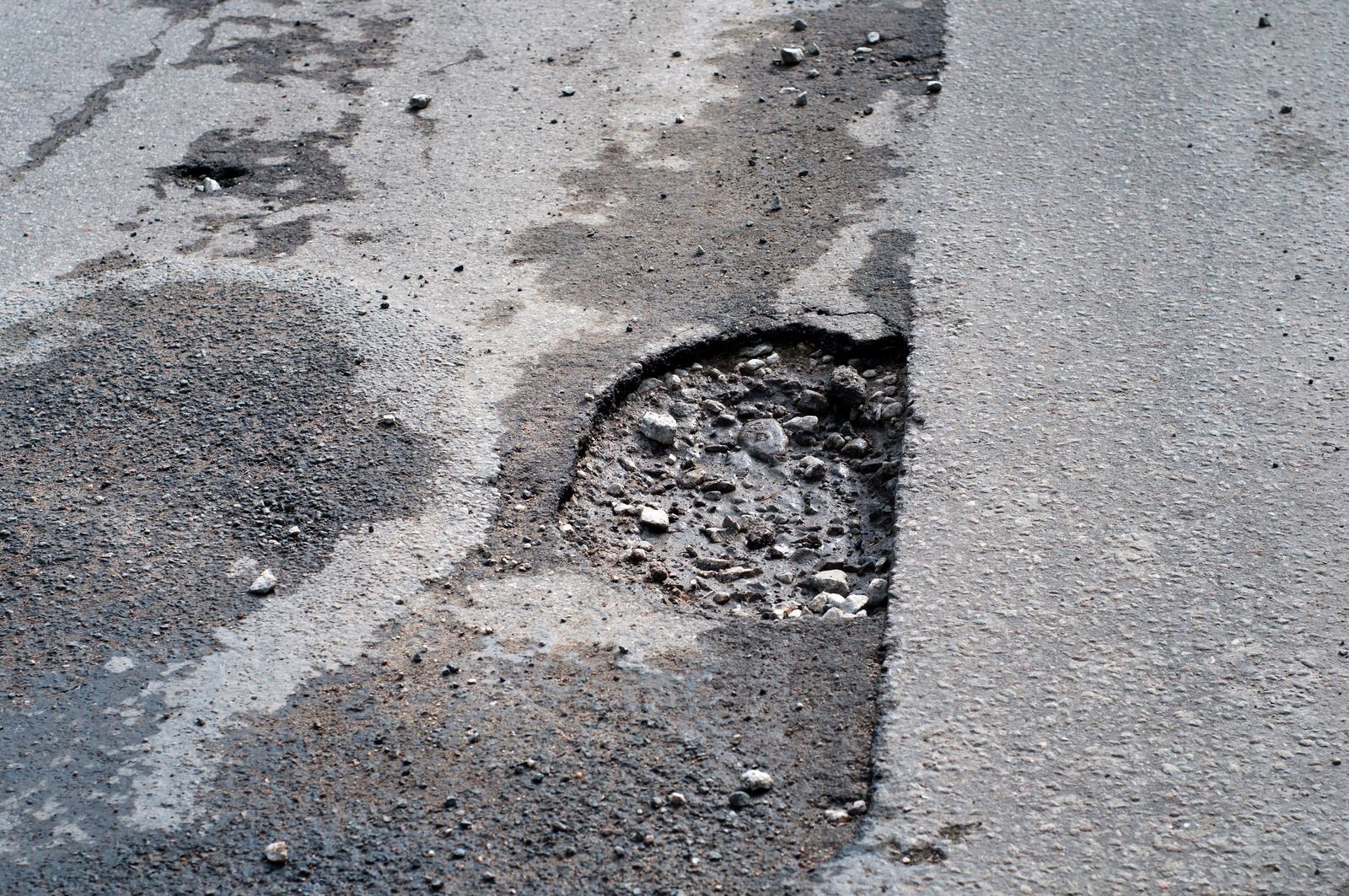
Hairline cracks and light raveling can usually be handled with preparation and protection. Alligator cracking, sunken areas, soft spots and potholes are a different category. Those problems start in the base, and no surface coating can fix them.
What Sealcoating Does and What It Cannot Do
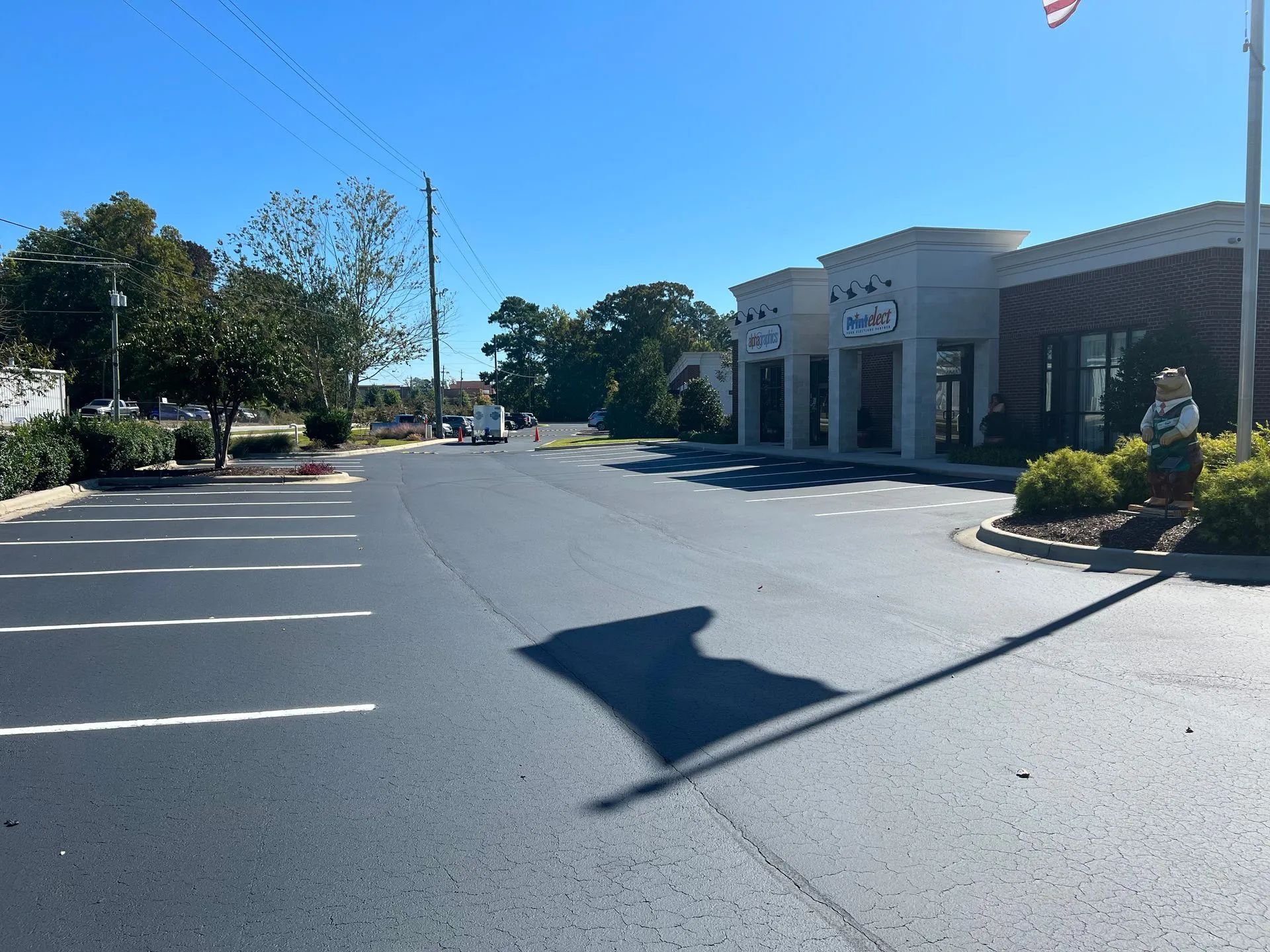
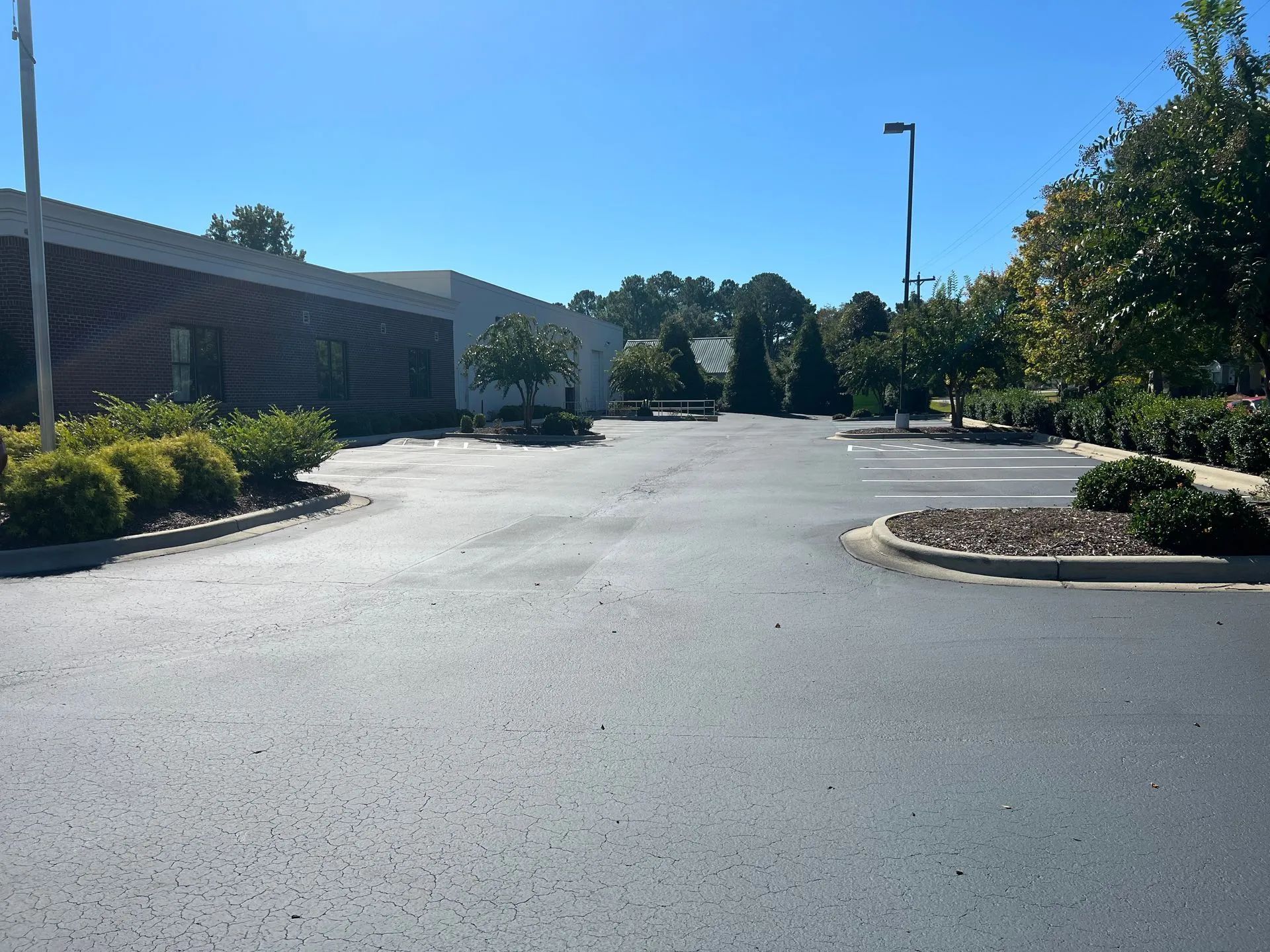
A sealcoat is a thin protective layer applied over the surface of existing asphalt. It works by putting a barrier between the binder and the things that age it. The coating limits how much sunlight and oxygen reach the asphalt, slows oxidation, reduces how much water can soak into small voids and hairline cracks, and helps hold fine particles and stone in place. It also brings back a uniform dark finish, which is the part most owners notice first.
A professionally applied sealcoat generally lasts about 2 to 5 years, depending on the condition of the asphalt, the climate, how much traffic the pavement carries, the product used and how well it is maintained.
It is just as important to understand the limits. Sealcoating is preventive. It is not a structural repair. It will not fix potholes, deep cracks or a failed base, and on badly deteriorated pavement it may only hide discoloration for a short time. It also slows aging rather than stopping it. The best results come on pavement that is still in good structural shape, which is exactly why catching the fade early matters.
Prep Work That Decides Whether the Coat Holds
A sealcoat is only as good as the surface it bonds to. Contractors who do this well spend more effort on preparation than on the coating itself.
The surface is cleaned first, so dirt, loose grit and debris do not sit between the pavement and the sealer. Cracks are filled so water cannot get under the coating and lift it. Damaged edges are repaired, and any potholes are patched properly before the surface is sealed. Oil spots get special attention because petroleum softens the binder and can keep sealer from bonding. Left untreated, those spots often show through as soft, discolored patches that peel.
Only then is the sealer applied, and it goes on in even coverage rather than one thick pass. Thin, even coats cure better and wear more evenly than a heavy layer that traps moisture.
Warning: Do not spray or roll a store bought sealer over a driveway that still has loose grit, active cracks or oil stains. The coating will bridge the cracks for a few weeks and then split, and it can peel away from dirty spots in sheets. Covering a problem hides it from you without stopping it, and the damage underneath keeps growing.
Timing the Work in a Humid Climate
Weather decides whether a sealcoat cures properly. The work belongs on a warm, dry day, with pavement temperatures above the minimum the product requires and no rain in the forecast for at least 24 to 48 hours. In eastern North Carolina that is easier to plan in late spring and early fall than during the summer thunderstorm season or around hurricane activity.
Humidity matters too. Sealer dries by losing water, and heavy moist air slows that process. Cooler or more humid conditions extend cure time, so a coat that is ready for light traffic in about 24 to 48 hours in good weather may need longer when the air is damp. Heavier vehicles generally need about 48 to 72 hours before they should drive on it.
New pavement has its own timing. Fresh asphalt needs time to cure and to lose some of its natural oils before it is sealed, and a contractor can tell you when the surface is ready. Sealing too early can leave the surface soft under traffic.
When Faded Pavement Needs More Than a Sealcoat
Sometimes the fade is only the first thing you notice. If the pavement shows widespread alligator cracking, sunken areas that hold water, repeated potholes or crumbling edges, sealing it would be like painting over rust. In those cases the right conversation is about repair, milling and resurfacing, or replacing a section.
A site visit answers the question quickly. A contractor walks the property, looks at how deep the cracking goes, checks for soft or settling areas, and traces where water moves across the pavement. From that comes a plain recommendation: protect it now, repair certain areas first, or plan for something larger. Owners who ask early usually have the most options.
Frequently Asked Questions
Is faded asphalt damaged or just old?
Both can be true. Fading means the surface binder has aged and worn away, which is normal over time, but it also means the pavement has lost some protection. If the structure is still sound, protecting it now can slow further wear.
Does gray asphalt always need sealcoating?
Not always. Pavement that is only lightly faded and has no cracks or raveling may simply need monitoring. Pavement that is turning gray, feeling rough and showing hairline cracks benefits most from protection before the cracks widen.
Can sealcoating fix the cracks in my driveway?
No. A sealcoat protects the surface, but cracks need to be cleaned and filled before the coating is applied. Wide or deep cracks that come from base problems need repair rather than coating.
How long should I stay off a freshly sealed driveway?
Light vehicles can usually return after about 24 to 48 hours in warm, dry conditions, and heavier vehicles after about 48 to 72 hours. Humid or cool weather extends that time, so follow the contractor's guidance for your specific day.
Why does my driveway fade faster than my neighbor's?
Sun exposure, traffic, drainage, the age of the pavement and the mix used all play a part. A drive in open sun with heavy use and standing water ages faster than a shaded one with light traffic.
Will fading ever stop on its own?
No. Oxidation continues as long as the surface is exposed to sun and air. Protection slows the rate of aging, but it does not stop it, which is why periodic inspection is part of keeping pavement healthy.
Keeping Gray Asphalt From Becoming a Costly Repair
Gray asphalt is the pavement’s way of showing that the sun is slowly winning. The color change comes first, then the rough texture, then the cracks, and by the time the damage reaches the base, the fix is no longer a surface job. The better path is to look at the pavement now, while the structure is still sound. Fill the cracks, treat the oil spots, repair the edges, and protect the surface with a sealcoat applied at the right time of year.
If the pavement is already past that point, finding out early still matters, because it leaves every option open. A short inspection shows whether the surface needs protection, a few targeted repairs, or a larger plan. Able Asphalt Paving Inc.
has spent 15
years working on driveways and parking lots in Jacksonville, NC, and the pattern is consistent: owners who act while fading is the only symptom spend far less than those who wait for the damage to spread.