What Is Chip Sealing and Why It’s Ideal for Private Roads
Maintaining private roads presents a unique set of challenges for homeowners, communities, and property managers. Unlike public roads, which are often maintained and resurfaced by municipal agencies, private roads rely entirely on property owners to ensure durability, safety, and long-term usability. Over time, these roads face deterioration caused by traffic, weather, and natural wear and tear. Selecting the right paving method is essential to protect your investment, reduce maintenance costs, and maintain a smooth, safe driving surface. Among the available options, chip sealing has emerged as a practical and cost-effective solution that balances performance, longevity, and aesthetic appeal.
Chip sealing, also referred to as surface dressing, involves applying a protective layer of asphalt emulsion followed by a layer of crushed stone or aggregate. This technique is widely recognized in the road construction and maintenance industry for its affordability and effectiveness in extending the life of paved surfaces. For private roads, chip sealing offers an accessible alternative to full asphalt or concrete paving, delivering improved traction, weather resistance, and overall durability. Understanding how chip sealing works, its benefits, and proper application techniques can help property owners make informed decisions about the upkeep of their private roads.
1. Understanding Chip Sealing
What Is Chip Sealing?
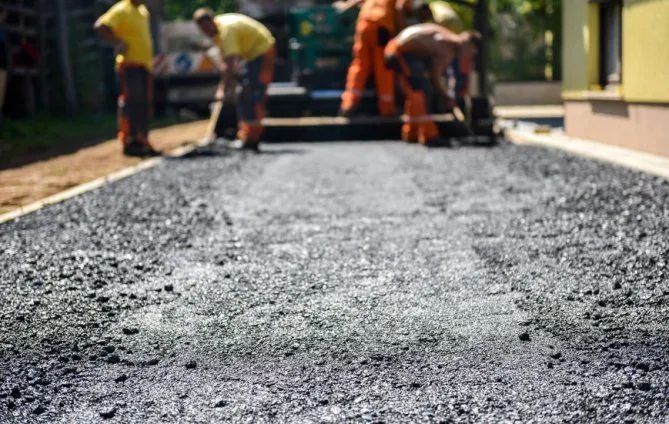
Chip sealing is a pavement maintenance technique designed to protect and extend the life of existing asphalt roads. The process begins with applying a thin layer of asphalt emulsion onto a prepared road surface. Immediately afterward, a layer of small, uniformly-sized crushed stones is spread over the asphalt. The surface is then compacted, embedding the stones into the emulsion. This method seals minor cracks, reduces oxidation, and creates a textured surface that improves skid resistance.
The Process Explained Step by Step
- Surface Preparation: The road is cleaned of debris, dust, and vegetation. Any significant cracks or potholes are repaired before sealing.
- Emulsion Application: Hot or cold asphalt emulsion is sprayed evenly across the road surface.
- Aggregate Placement: Crushed stone is spread over the emulsion layer while it is still tacky.
- Compaction: A roller compresses the stone into the asphalt, ensuring proper adhesion and smoothness.
- Curing Time: The surface is left to cure, allowing the emulsion to bind the aggregate firmly to the road.
This process is cost-effective, typically costing 30–50% less than a full asphalt overlay, while still providing substantial durability and protection.
2. Benefits of Chip Sealing for Private Roads
Extended Road Lifespan
One of the primary advantages of chip sealing is its ability to extend the life of existing pavement. By creating a protective barrier, the emulsion layer shields the asphalt from sun, water, and chemical damage, slowing the oxidation process. Regularly maintaining a private road with chip sealing can add 5–7 years of service life without the expense of a complete resurfacing.
Improved Safety and Traction
The textured surface of a chip-sealed road enhances vehicle traction, particularly in wet or icy conditions. This is crucial for private roads that often lack municipal maintenance and snow removal support. By improving grip, chip sealing reduces the risk of accidents and provides a safer driving environment for residents and visitors.
Cost-Effectiveness Compared to Alternatives
Chip sealing is a financially practical solution for property owners. Compared to asphalt overlays or concrete paving, chip sealing requires less material and labor. While it doesn’t last as long as a full asphalt resurfacing, the lower initial cost and ease of reapplication make it a smart option for roads with moderate traffic.
Environmental Advantages
Chip sealing uses less asphalt than traditional paving, reducing petroleum consumption and lowering environmental impact. Additionally, the process allows for recycling existing road materials, minimizing construction waste.
3. Ideal Conditions for Chip Sealin
Road Types and Traffic Levels
Chip sealing is most effective on low- to moderate-traffic private roads. Roads with high-speed traffic or heavy commercial vehicles may experience faster aggregate loss, which could require more frequent maintenance. Residential drives, community roads, and rural access roads are excellent candidates for this treatment.
Climate Considerations
This technique works best in regions with moderate weather conditions. Extreme temperatures, heavy rainfall, or frequent freeze-thaw cycles can affect the adhesion of the emulsion and the longevity of the aggregate layer. For areas prone to harsh winters, proper surface preparation and timing of application are critical to ensure optimal performance.
Existing Pavement Condition
Chip sealing is most successful on roads that are in fair to good condition. Severely damaged or deteriorated asphalt may require repairs or a partial overlay before sealing. Minor cracks and surface imperfections are ideal for chip sealing, as the emulsion can penetrate these areas, sealing and protecting them.
4. Common Challenges and How to Address Them
Loose Aggregate and Stone Loss
A common concern with chip sealing is the loss of aggregate stones immediately after application. This can create loose stones on the surface, potentially causing vehicle damage or safety issues. Proper compaction and a brief curing period before opening the road to traffic help minimize this problem. Sweeping the road after curing also removes excess loose material.
Surface Texture and Smoothness
While chip sealing provides excellent traction, the rough surface may not be suitable for all vehicle types, particularly motorcycles or bicycles. Selecting the right size and type of aggregate can balance texture with comfort, ensuring a safe yet smooth driving experience.
Timing and Weather Impact
Applying chip seal during unfavorable weather, such as rainy or excessively cold days, can prevent the emulsion from properly bonding to the asphalt. Scheduling applications during dry, mild weather is crucial to achieve a durable surface.
Maintenance Requirements
Though chip sealing reduces major repairs, it is not a permanent solution. Roads may require reapplication every 5–7 years, depending on traffic and environmental conditions. Establishing a long-term maintenance schedule helps prevent costly deterioration and ensures the road remains functional and attractive.
5. Best Practices for Applying Chip Seal
Choosing the Right Materials
Selecting high-quality asphalt emulsion and durable aggregate is key to a successful chip seal project. Aggregates should be clean, well-graded, and resistant to wear, while the emulsion should match the road’s traffic and climate conditions.
Professional Installation
Hiring experienced professionals ensures the proper application of chip sealing. Experts understand the correct spreading rates, rolling techniques, and curing times needed to achieve maximum adhesion and durability. Poor installation can lead to premature aggregate loss, uneven surfaces, and reduced road life.
Routine Maintenance Tips
Even chip-sealed roads require routine care. Regular sweeping, timely crack repairs, and periodic inspections can prevent minor issues from becoming major problems. Maintaining drainage alongside the road also protects the chip seal from water damage, which is one of the primary causes of early deterioration.
Cost-Effective Long-Term Planning
Chip sealing is best approached as part of a comprehensive road maintenance plan. Combining it with preventative measures, such as crack sealing, minor overlays, and proper drainage, can significantly extend the road’s life while minimizing overall maintenance costs.
6. Real-World Applications and Examples
Residential Communities
Many residential neighborhoods and private housing communities use chip sealing to maintain long stretches of private roads without excessive cost. For example, a neighborhood in North Carolina applied chip sealing to its entire road network, extending the lifespan of the roads while improving traction for residents during wet conditions.
Rural Access Roads
Rural properties often face challenges with limited budgets and exposure to weather extremes. Chip sealing offers a practical solution for farm access roads, private driveways, and country lanes. By sealing the surface, property owners protect against dust, erosion, and rutting, ensuring consistent usability throughout the year.
Commercial Properties
Commercial sites with moderate traffic, such as small business parks or storage facilities, benefit from chip sealing by reducing maintenance costs while maintaining a professional appearance. A single chip seal application can protect large parking areas and access roads from the damaging effects of sunlight, water, and wear.
Case Study Example
Consider a private road serving a gated community with approximately 1,000 vehicles per week. Before chip sealing, the asphalt was showing early signs of cracking and minor potholes. After professional chip sealing, the road not only achieved a uniform appearance but also reduced water infiltration, increased traction, and extended the surface life by six years. The community avoided the significant expense of a full asphalt overlay while enhancing road safety.
Expert Solutions Provided by Able Asphalt Paving
Chip sealing is a practical, cost-effective, and durable solution for private road maintenance. By applying a protective asphalt emulsion and aggregate layer, property owners can extend road life, improve traction, and reduce maintenance costs. While it is most suitable for roads with moderate traffic and in fair condition, proper preparation, timing, and professional installation ensure optimal performance. With routine maintenance and attention to environmental factors, chip-sealed roads can provide reliable, safe, and attractive surfaces for years to come.
For property owners in Jacksonville, North Carolina, looking for trusted expertise in private road maintenance, Able Asphalt Paving Inc.
offers 15
years of experience in delivering high-quality paving solutions. The company specializes in asphalt and chip sealing services, combining industry knowledge, professional equipment, and a commitment to excellence. Whether managing residential streets, private drives, or rural access roads, Able Asphalt Paving Inc.
ensures long-lasting, durable results that enhance safety, aesthetics, and value. By choosing a proven local authority, property owners can confidently invest in chip sealing and enjoy roads that are smooth, safe, and professionally maintained.